Medical Tourism Visa Dubai Application Process 2026: What You Need to Know

Dubai's ambition extends far beyond luxury shopping and towering skyscrapers. Over the last decade, the emirate has heavily invested in state-of-the-art medical infrastructure, transforming itself into a leading global hub for medical tourism.
From advanced cosmetic surgery and dentistry to complex oncology and orthopedic treatments, patients from across the globe are flocking to the UAE. To facilitate this, the government offers a specific Medical Treatment Visa.
If you or a loved one are planning to travel to Dubai for healthcare in 2026, here is the complete guide to understanding the Medical Tourism Visa application process.
What is the Dubai Medical Treatment Visa?
Unlike a standard tourist visa, the Medical Treatment Visa is an entry permit issued explicitly to foreigners seeking diagnosis, medical care, or surgery in the UAE.
The most crucial distinction is sponsorship. You cannot apply for a medical visa on your own or through a standard travel agency. The medical visa must be sponsored by a registered, licensed UAE hospital, clinic, or medical facility.
2026 Visa Types and Validity
The General Directorate of Residency and Foreigners Affairs (GDRFA) issues the medical visa in two primary formats, depending on the severity of the treatment:
- Single Entry Medical Visa: Valid for 90 days from the date of issue. Once you enter the UAE, you can stay for up to 90 days to receive treatment.
- Multiple Entry Medical Visa: Valid for 90 days, allowing the patient to enter and exit the UAE multiple times. This is ideal for treatments requiring ongoing follow-ups, chemotherapy, or phased surgeries.
Note: In 2026, both visas are generally extendable for another 90 days if the sponsoring hospital provides a medical report stating that further treatment or recovery time is required.
Can Support Companions Get a Visa?
Yes. Traveling for major medical treatment is rarely done alone. The GDRFA allows the patient to bring companions (often family members) to assist them during their stay.
The Medical Treatment Visa for a Companion is issued under similar terms as the patient's visa (either single or multiple entry). The companion must enter the UAE with the patient and must be sponsored by the same medical facility.
The Application Process (Step-by-Step)
Because the hospital is your sponsor, the application process is fundamentally different from a standard tourist visa.
Step 1: Secure a Consultation and Treatment Plan
You must first contact a recognized medical facility in Dubai (e.g., American Hospital Dubai, Mediclinic, Kings College Hospital). After an initial consultation (often conducted virtually), the hospital will provide a detailed treatment plan and confirm they are willing to sponsor your visa.
Step 2: Provide the Patient’s Documents
You will need to securely send the following documents to the hospital’s international patient department:
- A clear copy of your passport (valid for at least 6 months).
- A passport-sized photograph (white background).
- A letter from your local doctor or a medical report detailing your current condition and the necessity of treatment in the UAE.
- For companions: Passport copies and photographs.
Step 3: The Hospital Applies on Your Behalf
The hospital submits your documents to the GDRFA portal. They act as your guarantor, taking legal and financial responsibility for your stay explicitly for the duration of the treatment.
Step 4: Pay the Visa Fees
The fees are typically billed directly by the hospital as part of your international patient package. Currently, the government fee for the medical visa itself ranges from AED 300 to AED 500 (plus applicable processing and typing fees), though hospitals often charge a flat administrative fee.
Step 5: Receive the Visa and Travel
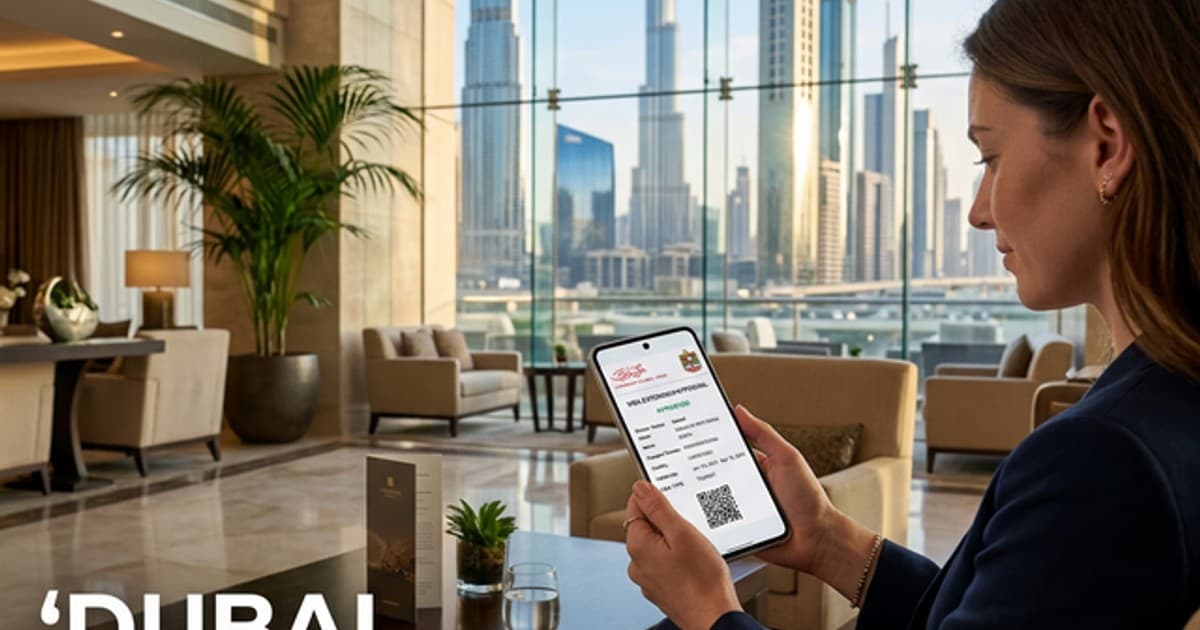
Once approved by immigration (usually within 3 to 7 working days), the hospital will email you the electronic Medical Treatment Visa. You print this document and present it at Dubai International Airport.
Important Considerations for 2026
- Financial Solvency: In 2026, the UAE immigration authorities scrutinize the financial backing of medical tourists carefully. Either you or your health insurance provider must demonstrate the ability to cover the full cost of the prescribed treatment, as well as accommodation during the recovery period.
- Health Insurance Integration: Ensure you check with your international health insurance provider if they have direct billing agreements with Dubai hospitals, as this significantly expedites the visa and admission process.
Are you considering Dubai for medical treatment this year? Let us know if you have questions about the visa process in the comments!